
Is the workplace experienced equally today? What our data reveals this International Women’s Day
.jpg)
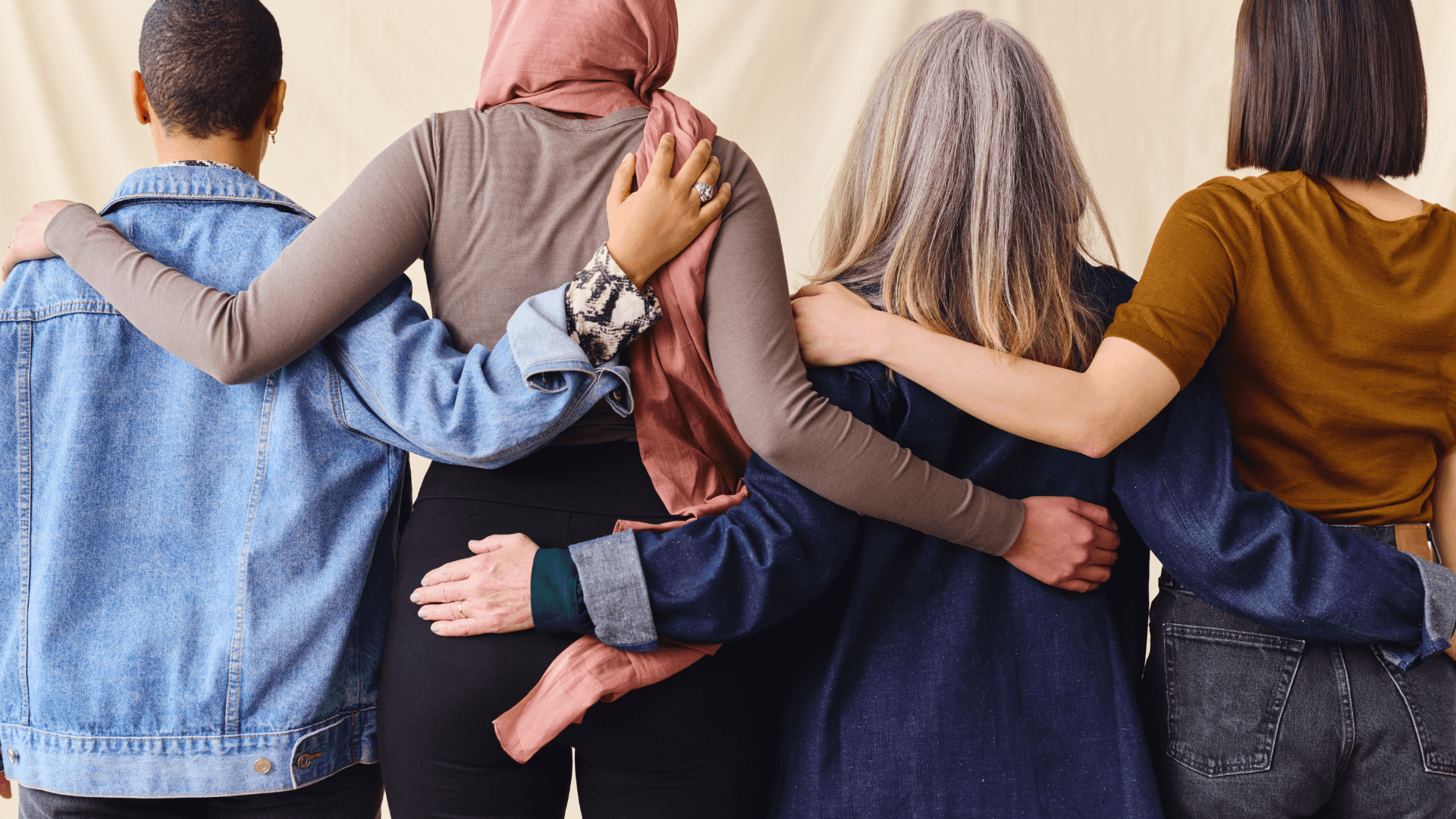
Understanding how work is experienced across different groups is an important part of building healthy and high-performing organizations.
Ahead of International Women’s Day, we took a closer look at patterns in our workplace wellbeing data to better understand how women and men experience work.
Across more than 1,000 organizations, employees shared how they experience different aspects of work – from autonomy and psychological safety to collaboration and inclusion.
When we looked closer, a few patterns stood out.
1. Women report feeling less included at work
When looking at overall workplace wellbeing, women and men report largely similar experiences.
But when we examine specific parts of the workplace experience, a clearer difference appears.
One area in particular stands out: diversity, equality and inclusion.
In our data, the gap in how included women and men feel is more than twice as large as the gap in overall wellbeing.
We see this pattern across generations, industries and company sizes. This highlights an important point: overall engagement scores don’t always reveal where experiences differ.
Two employees may report similar levels of wellbeing while still experiencing the workplace differently when it comes to feeling included and represented.
For leaders and HR teams, this is an important reminder. Understanding how people experience the workplace requires looking beyond overall engagement scores. Inclusion deserves attention in its own right
2. Lower scores appear in key conditions of everyday work
Some patterns also appear in areas that shape the day-to-day experience of work.
In our data, women report slightly lower scores in three areas: autonomy, work situation and psychological safety.
These conditions influence how comfortable people feel taking initiative, speaking up and contributing within their teams.
Together, they shape how people participate in their work environment – and ultimately how teams collaborate and perform.
Ask yourself: Are these everyday conditions experienced equally across the organization?
3. Women report stronger collaboration and ambassadorship
There are also areas where women report slightly higher scores.
Two categories stand out: cross-functional collaboration and ambassadorship.
Both relate to connecting people across teams, building relationships and representing the organization.
This kind of work often plays an important role in helping organizations function effectively. At the same time, it is not always the mostvisible contribution when performance, promotions or recognition are discussed.
Ask yourself: Are we recognizing and valuing the work that helps keep teams and cultures connected?
Use data as a starting point for reflection
Data like this doesn’t provide simple answers. But it helps highlight patterns that might otherwise remain invisible.
For leaders and HR teams, the real value lies in using insights like these as a starting point for reflection.
Building successful organizations rarely comes down to one single factor. It requires understanding the many conditions (both visible and invisible) that shape how people contribute, collaborate and thrive at work.
At Winningtemp, we also reflect on our own internal data to understand how work is experienced within our own teams. Because the real value of insights like these isn’t just seeing patterns across many organizations – it’s using data to ask better questions about your own workplace.
Share insights




Table of content
Related Blogs
.png)
Get in touch
Let us help with employee listening


